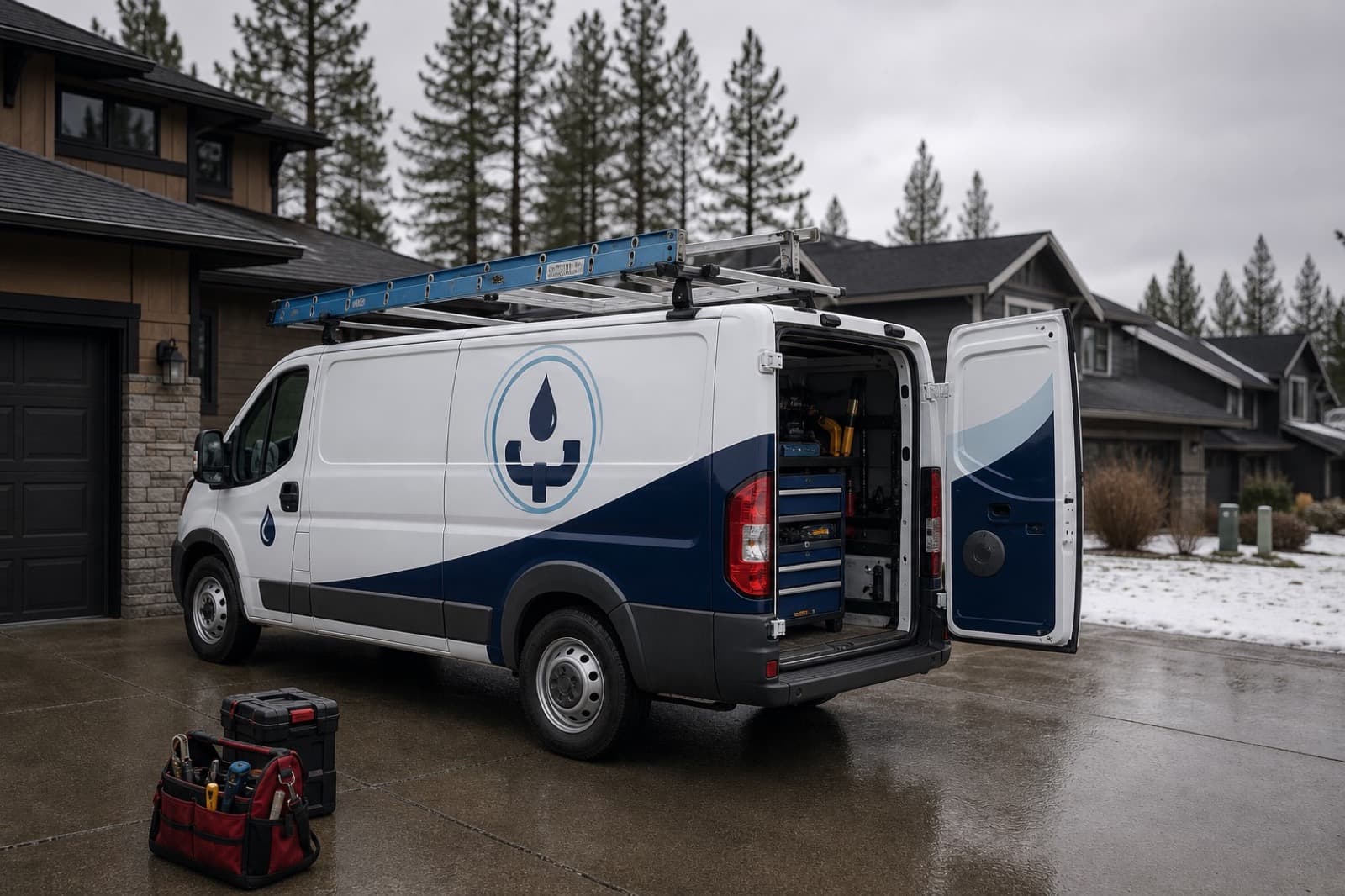
A Spokane plumbing call usually starts with something visible or disruptive. Water is on the floor, a ceiling has a stain, a toilet is backing up, a drain is slow again, or the water heater is making noise and failing to keep up. The plumbing pages are written around those practical homeowner problems so visitors can move from symptom to phone call without reading a generic article first.
Local plumbing details matter because Spokane, Spokane Valley, Post Falls, and Coeur d'Alene homes vary by age, pipe material, water quality, remodel history, and sewer access. A useful request should include where the symptom appears, whether more than one fixture is affected, whether water is actively leaking, and whether the issue changed after freezing weather, tree-root growth, a remodel, or heavy household use.
Use the emergency plumber page when water is active, wastewater is backing up, or a shutoff valve has failed. Use drain cleaning or clogged drain pages when fixtures are slow, gurgling, or repeatedly blocked. Use water heater repair pages when there is no hot water, visible leaking, rusty water, popping noises, or a tank that cannot keep up with normal use.
The callback form is best when the problem can be described clearly and scheduled. The phone number is better when damage may spread, water cannot be shut off, the home has no hot water, or a sewer backup creates sanitation risk. Both options are meant to feel like contacting a local plumbing company directly, not sorting through a directory or reading a news-style post.
This site intentionally keeps the top of the page plumbing-only. Plumbing visitors should see plumbing service links, plumbing guides, plumbing form language, and plumbing phone routing. That keeps the brand cleaner for homeowners and gives search crawlers a more consistent page topic for leaks, drains, sewer lines, water heaters, pipe repair, and emergency plumber searches around Spokane and North Idaho.
Before calling, homeowners can make a few safe notes without taking on unsafe work. Write down where the water is showing up, whether the closest shutoff valve works, whether more than one fixture is affected, and whether the problem is getting worse. Photos of visible leaks, corrosion, standing water, or a water heater label can also make the callback more productive.
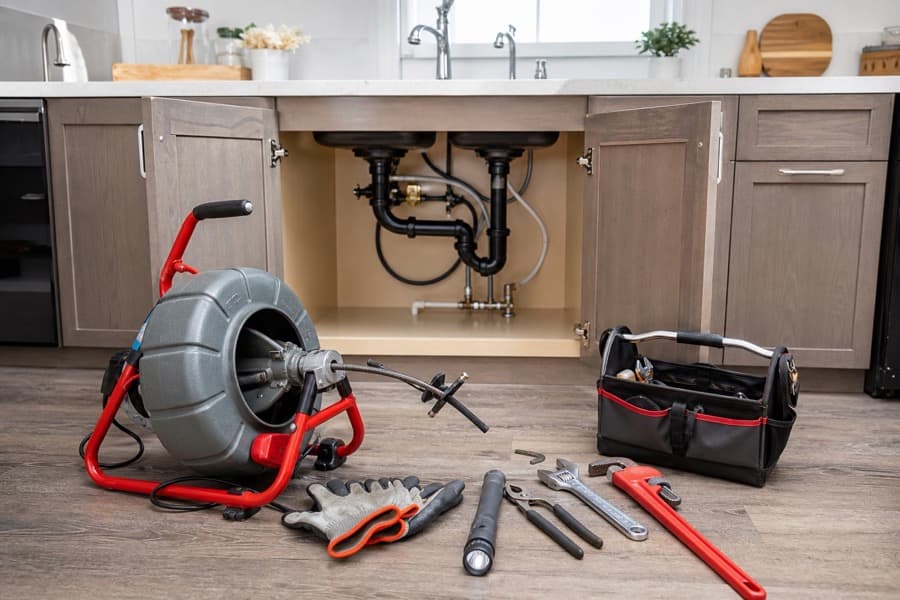
Drain and sewer symptoms deserve clear separation. One slow sink can be a fixture or branch-line clog, while multiple slow drains, gurgling toilets, sewage smell, or wastewater backing up can point toward a main-line problem. The plumbing service paths keep drain cleaning, clogged drains, sewer inspection, and sewer repair close together so visitors can choose the issue that best matches what they see.
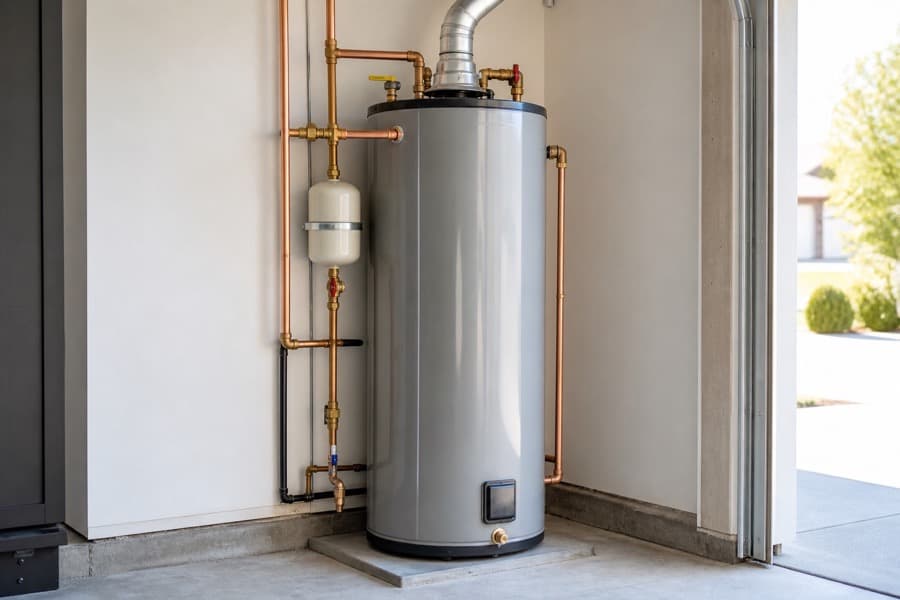
Water heater calls often start with no hot water, a leaking tank, rusty water, popping noises, or hot water that runs out too quickly. The pages separate repair, replacement, emergency repair, tankless repair, and tankless installation because those situations lead to different conversations. A homeowner can describe the age, fuel type, tank size, leak location, or tankless error code before requesting help.
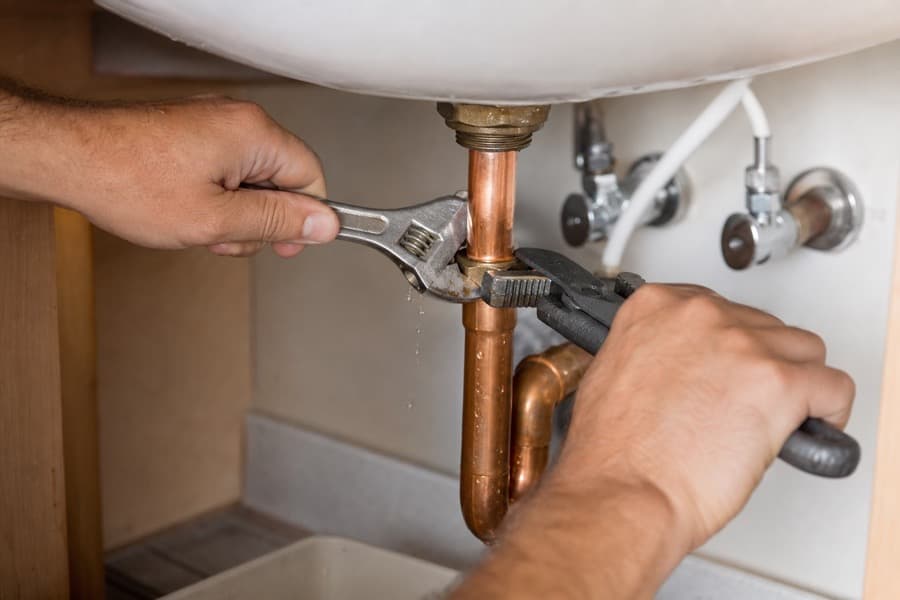
Leak and pipe repair calls can be small at first but expensive if ignored. Water stains, soft flooring, a meter that moves when fixtures are off, low pressure after freezing weather, dripping valves, or corrosion under a sink are all practical details to mention. The site keeps those symptoms tied to local plumbing action instead of turning them into broad home-improvement content.
The city and service links are meant to be crawlable and useful, not decorative. A homeowner in Spokane Valley can start with the city hub, choose drain cleaning or emergency plumber service, and still see phone and callback options. A homeowner in Post Falls or Coeur d'Alene can follow the same pattern without landing on a generic article that talks around the problem instead of presenting the next step.
The goal is consistency across the whole specialist domain. The header, hero, form headline, service cards, guide labels, footer links, and schema should all reinforce the same plumbing topic. That consistency helps the site feel like a focused local business and avoids the thin, mismatched look that happens when a page template is only lightly edited from another trade.
Service-area wording should also feel local without pretending to be a storefront address. Spokane, Spokane Valley, Post Falls, and Coeur d'Alene are named because homeowners search by nearby city and because older homes, remodels, water quality, trees, and freeze-thaw weather can all affect plumbing urgency. The copy keeps those places connected to real service situations instead of repeating city names with no homeowner value.
A strong local plumbing page should give enough context for a person to act, but not so much that the call-to-action disappears. That is why the long notes sit below the hero and form. Visitors who are ready to call can call immediately; visitors who want reassurance can read more about symptoms, shutoff details, city coverage, and the difference between urgent service and scheduled callback requests.
From an SEO standpoint, the extra copy is meant to increase helpful visible text while staying aligned with the local-business design. It is not filler about generic home maintenance. It talks about Spokane-area plumbing symptoms, homeowner prep, route clarity, service selection, and why the specialist domain exists. That should support the text-to-code ratio without making the site feel like an editorial publication.